Royal Canadian Air Force
Specialist Navigator's Manual
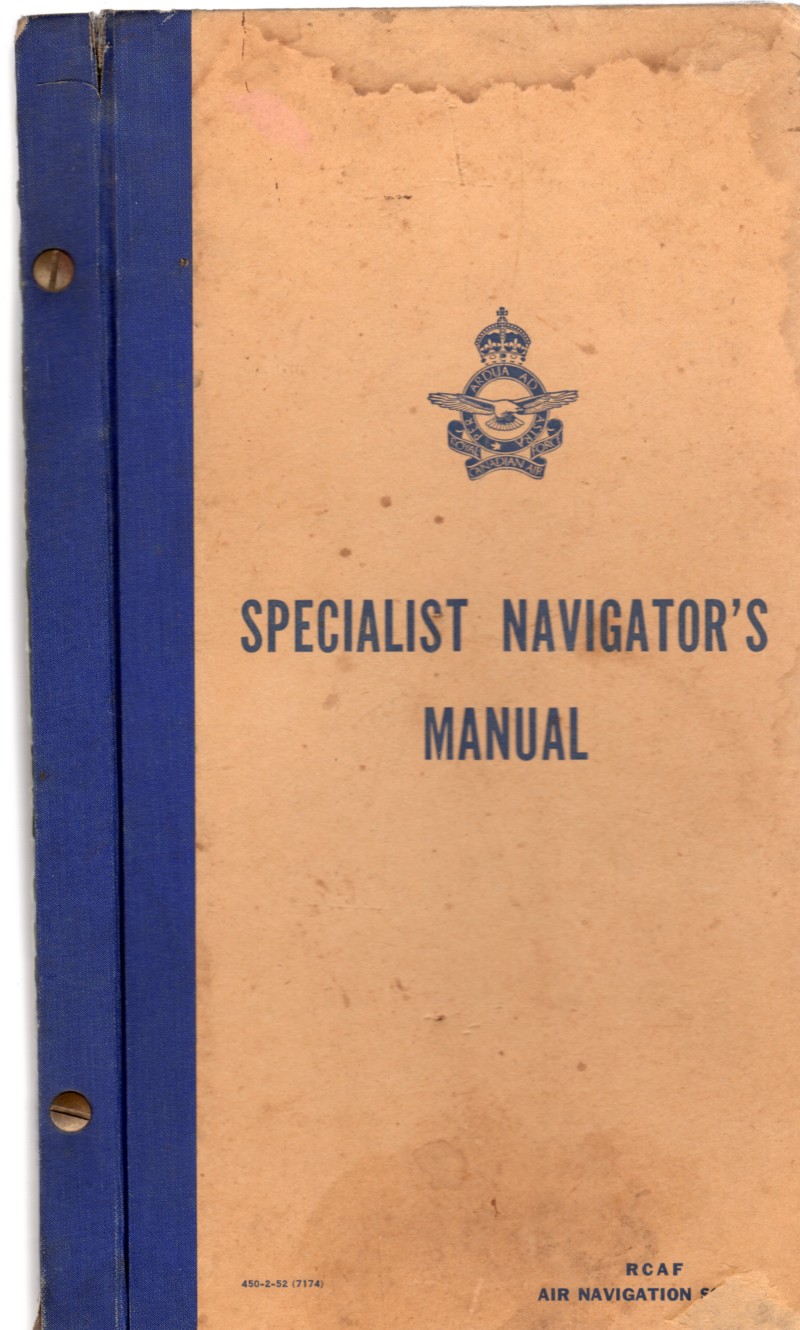
This publication is a rarity. It consists of a mechnically (screw) bound binding, 8 x 13½ inches (21 x 34 cm) of ~440 pages (220 sheets) of double sided, typewritten high-quality, double-sided mimeographed sheets with numerous diagrams and sketches. See below for the potential date of publication.
It is obviously a RCAF publication, although it has no title page and no indication of "King's (Queen's) Printer", and is undated - but has what may only presumed to be an "official publication" indication on the front board of "450-2-52-(7174)".
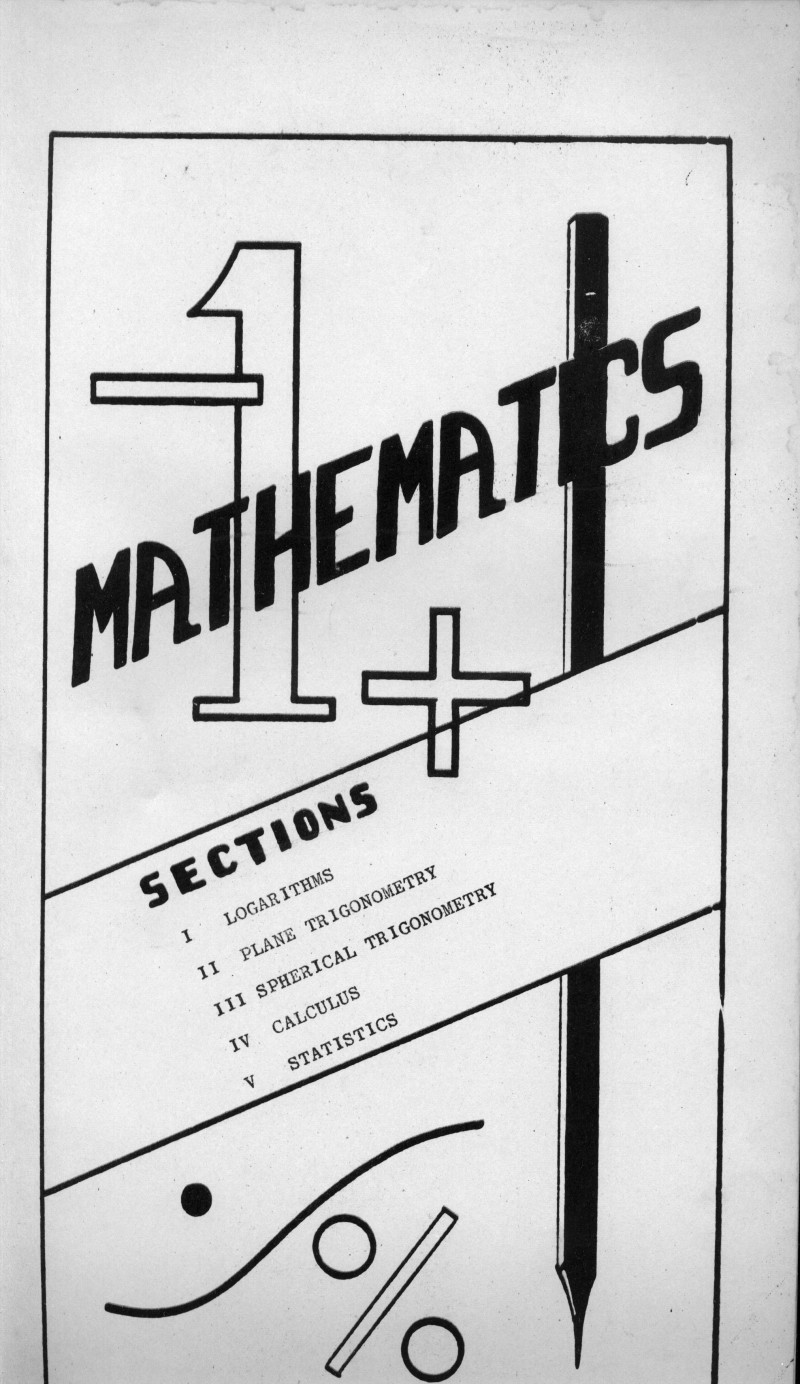
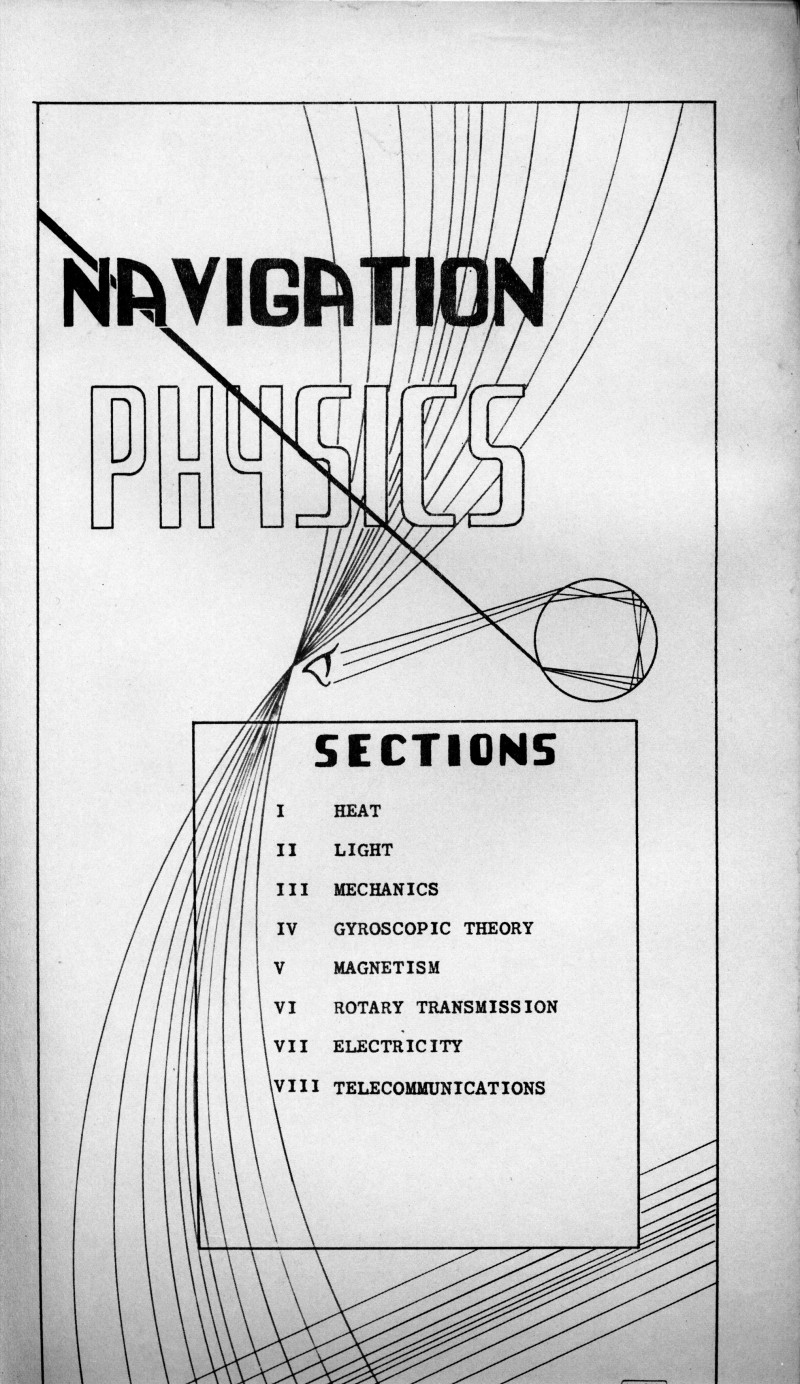
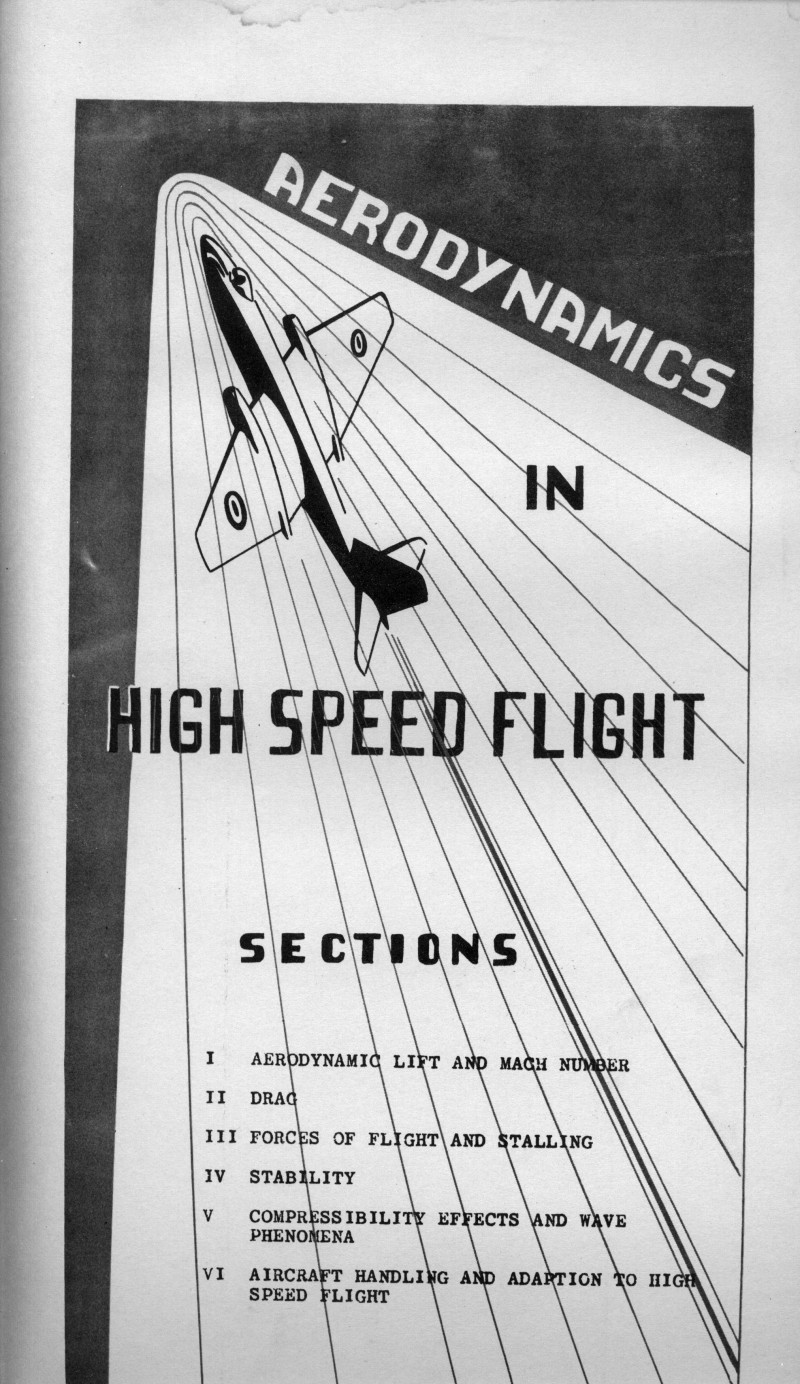
It contains four sections : Meteorology, Mathematics, Navigation Physics and High Speed Flight:
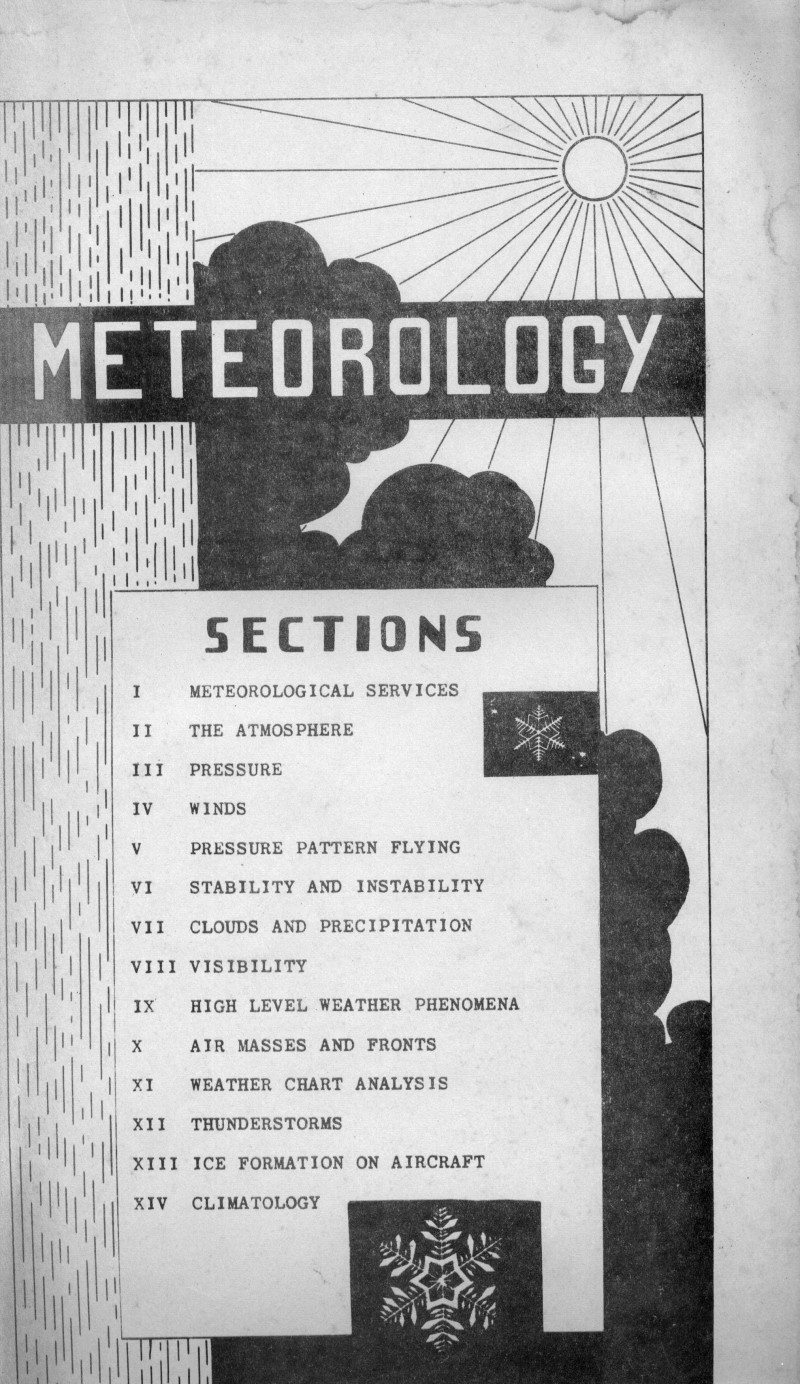
- Meteorology : Meteorological Services; Atmosphere; Pressure; Winds; Pressure pattern flying; Stability and instability; Clouds and precipitation; Visibility; High level weather phenomena; Air masses and fronts; Weather chart analysis; Thunderstorms; Ice formation on aircraft; Climatology.
- Mathematics : Logarithms; Plae trigonometry; Spherical trigonometry; Calculus; Statistics.
- Navigation : Heat; Light; Mechanics; Gyroscopic theory; Magnetism; Rotary transmission; Electricity; Telecommunications.
- High Speed Flight : Aerodynamic lift and Mach number; Drag; Forces of flight and stalling; Stability; Compressibility effects and wave phenomena; Aircraft handling and adaptation to high speed flight.
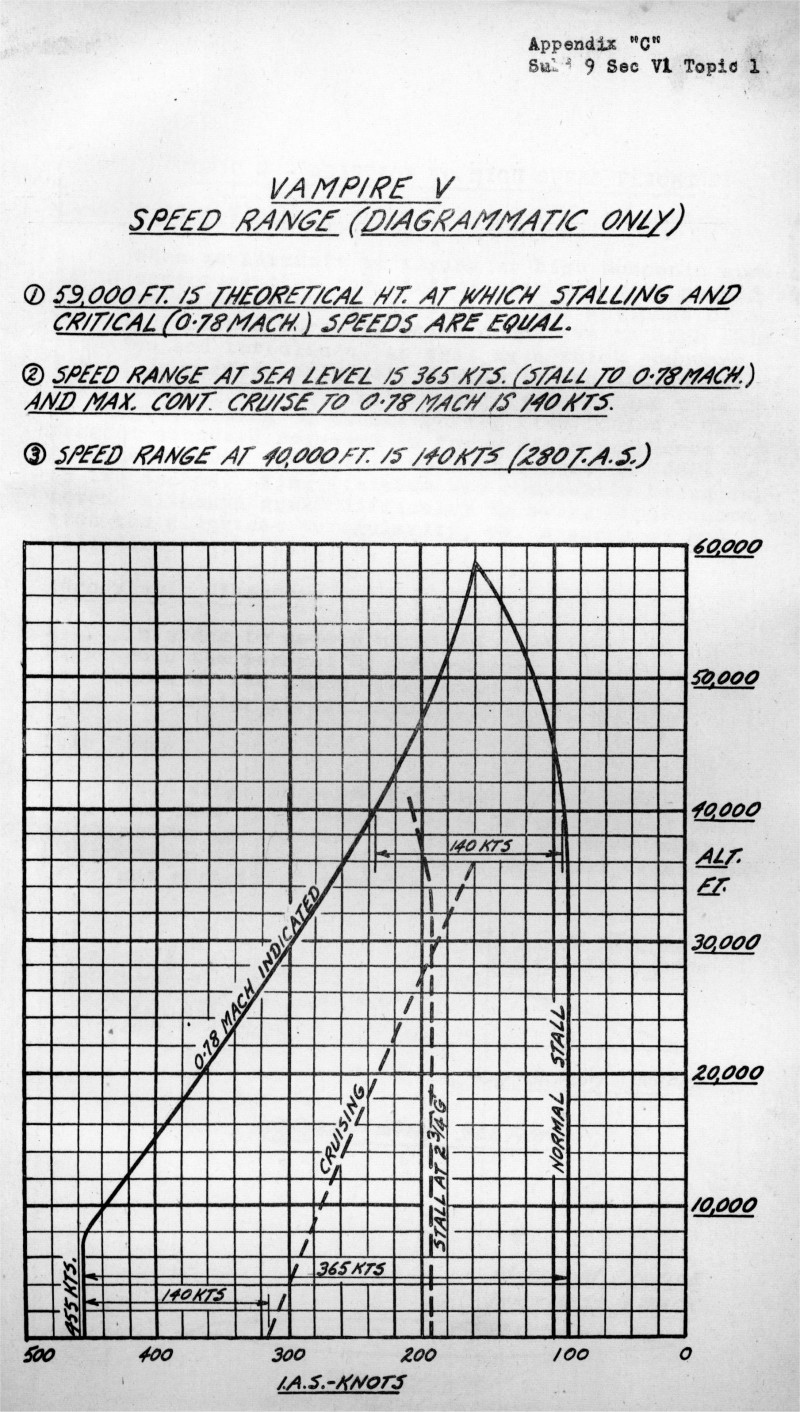
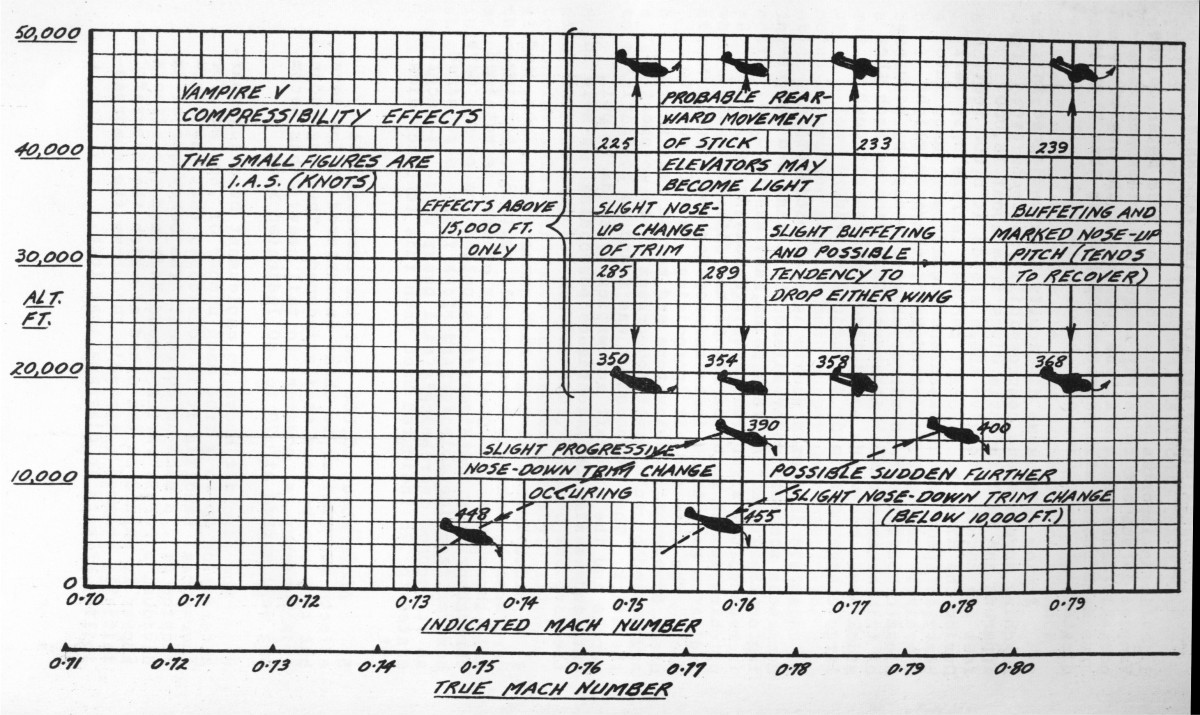
As to the date of this publication, which is nowhere given, we can possibly, if not probably, assume February 1952 from "2-52" given on the front board of "450-2-52-(7174)". The illustrations below, from the last few pages of the "High Speed Flight" section refer to the Vampire V (FB5) airplane in service from 17 January 1948 when it went into service as a Central Flying School training aircraft at RCAF Station Trenton. However, there is, on the very last page, a mention of the P1052 (a swept-wing experimental a/c, a potential ancestor of the Sea Hawk) which first flew in 1948, succeeded by the P1081 of 1950 - the one and only prototype being destroyed in a crash in 1951 - and not mentioned in this publication. We therefore conclude that this document was most probably written in early 1951 and that a "publication date" of February 1952 should be retained.